What Are Tooth-Colored Fillings and Cosmetic Bonding?
Tooth-colored fillings and bonding both use a soft composite resin that is shaded to match your natural teeth. Fillings repair the small holes left behind by a cavity, while cosmetic bonding reshapes a chipped, worn, or gapped tooth so it looks whole again. Dr. Debra Oldham, DDS, and Dr. Joslyn Slater, DDS, have handled many of these everyday repairs across decades of local practice, so patients trust them to make the process quick and comfortable rather than stressful.
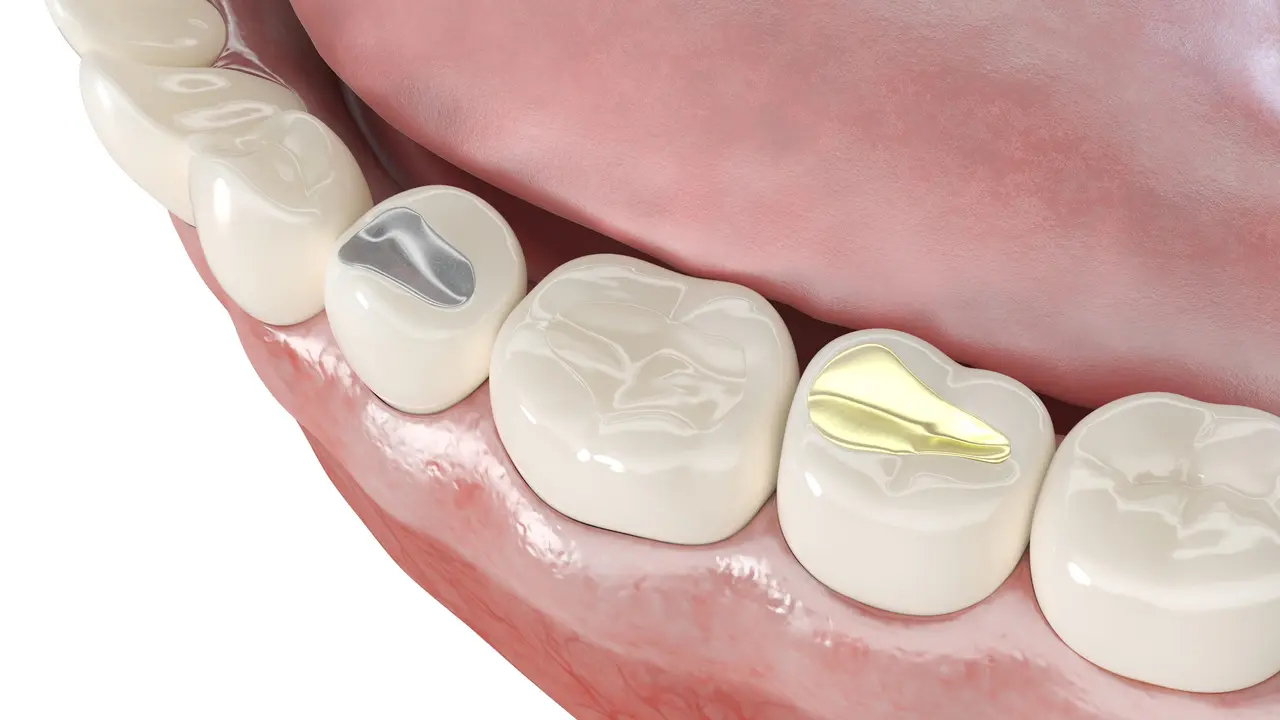
Benefits of Choosing Tooth-Colored Fillings & Bonding
Choosing tooth-colored fillings and bonding over older metal fillings comes with a few clear advantages. The resin blends with your smile instead of showing a dark or silver spot when you laugh or talk. Because the material bonds directly to your tooth, Dr. Oldham and Dr. Slater can often preserve more of your natural tooth structure compared to older filling methods. Bonding also works well for small cosmetic fixes, like a chip or a gap, usually in a single visit with no lab work involved.
What to Expect During Your Filling or Bonding Visit
Your visit starts with a quick exam to confirm the treatment plan, similar to what happens during our regular cleanings and exams. If you are getting a filling, we gently numb the area, clean out any decay, and shape the composite into place before curing it with a special light. Bonding often skips numbing altogether since it only reshapes the outer surface of the tooth. If you feel nervous about the appointment, ask us about nitrous oxide to help you relax throughout the visit. Most fillings and bonding appointments wrap up in under an hour, and you can eat and talk normally once you leave.
We also see patients as part of our broader general and preventive dentistry services, and for families with children, sealants can help prevent cavities before a filling is ever needed. If a chip or toothache happens unexpectedly, our same-day emergency care team can usually get you in quickly.