What Is Fluoride Treatment and How It Prevents Cavities
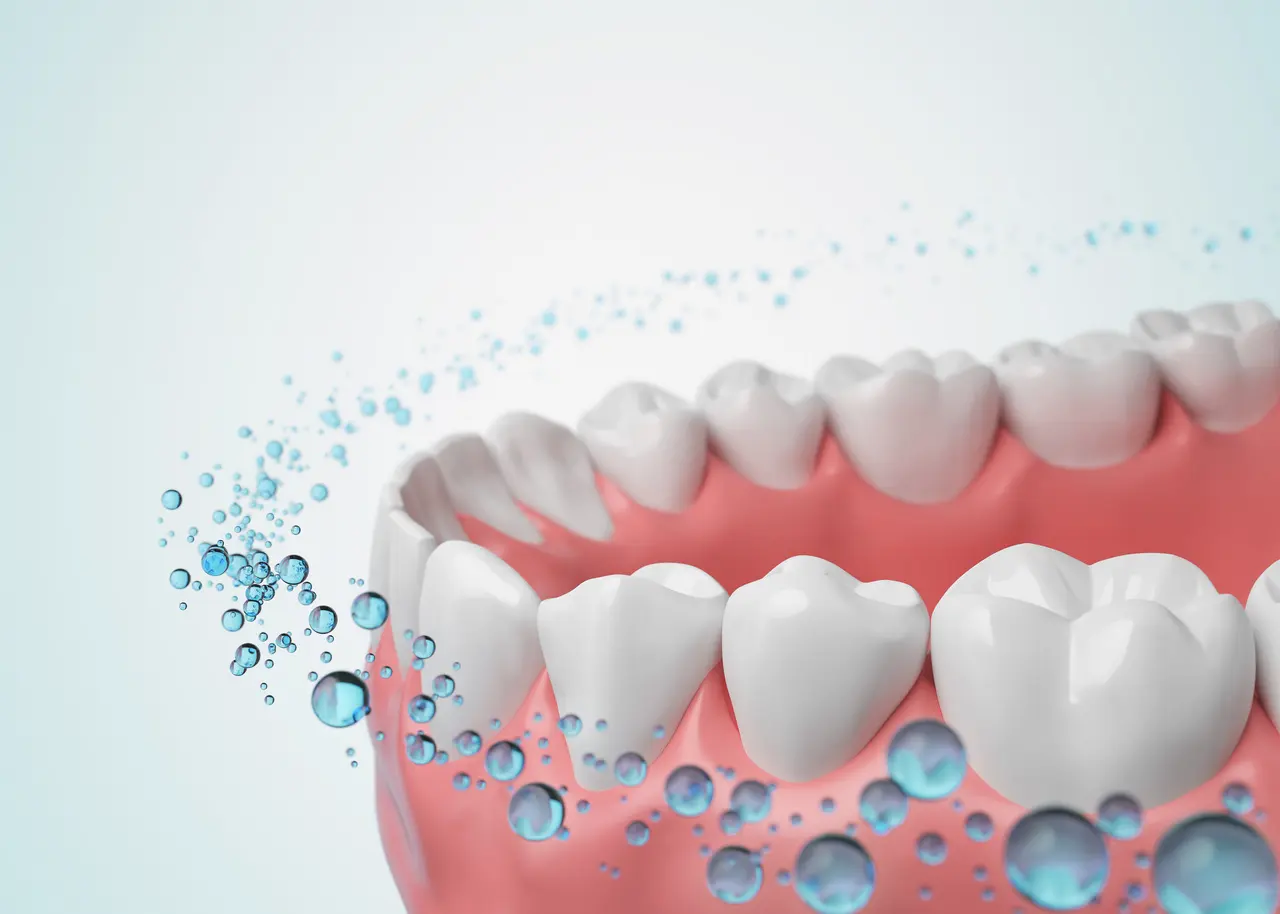
Fluoride is a natural mineral that helps strengthen tooth enamel, the hard outer layer that protects your teeth from decay. During a fluoride treatment, we apply a fluoride gel, foam, or varnish directly onto your teeth. It soaks into the enamel and helps rebuild areas that have been weakened by acid and sugar over time. This simple step is a well-known part of cavity prevention in Anamosa and works alongside good brushing and flossing habits at home.
Benefits of Fluoride Treatment for Your Family
Fluoride treatment offers real, practical benefits for patients young and old. It can help slow down or even reverse early signs of tooth decay before a cavity forms. It also makes teeth more resistant to the acids created by everyday food and drink. For kids, it supports strong enamel while permanent teeth are still developing. For adults, it can help protect areas around fillings, crowns, or exposed root surfaces that are more prone to decay.
What to Expect During Your Fluoride Treatment Visit
Fluoride treatment is quick and comfortable, usually taking just a few minutes. It's often done right after a routine cleaning, so there's no extra visit needed. We'll paint or apply the fluoride onto your teeth using a small brush or tray. You may be asked to avoid eating or drinking for about 30 minutes afterward to give the fluoride time to work. There's no discomfort involved, and most patients, including anxious kids, find it to be one of the easiest parts of their visit.

Fluoride Treatment for Kids and Adults
Fluoride treatment for kids is one of the simplest ways to protect new teeth as they come in, and it pairs well with sealants for extra cavity protection on back teeth. Children often need this extra support since their enamel is still developing and more vulnerable to decay. Adults benefit too, especially those with a history of cavities, dry mouth, or gum recession that exposes tooth roots. No matter your age, fluoride treatment is a small step that fits easily into your regular cleanings and exams.
What Happens If Cavities Go Untreated
Left alone, a small cavity can grow deeper into the tooth, leading to pain, sensitivity, or infection. What starts as a simple filling can eventually turn into a root canal or even tooth loss if decay isn't caught early. Fluoride treatment, paired with regular checkups, helps stop small problems before they turn into bigger, more costly ones. If you're building a preventive plan for your whole household, our children's and family dentistry team can help map out the right schedule for every age.