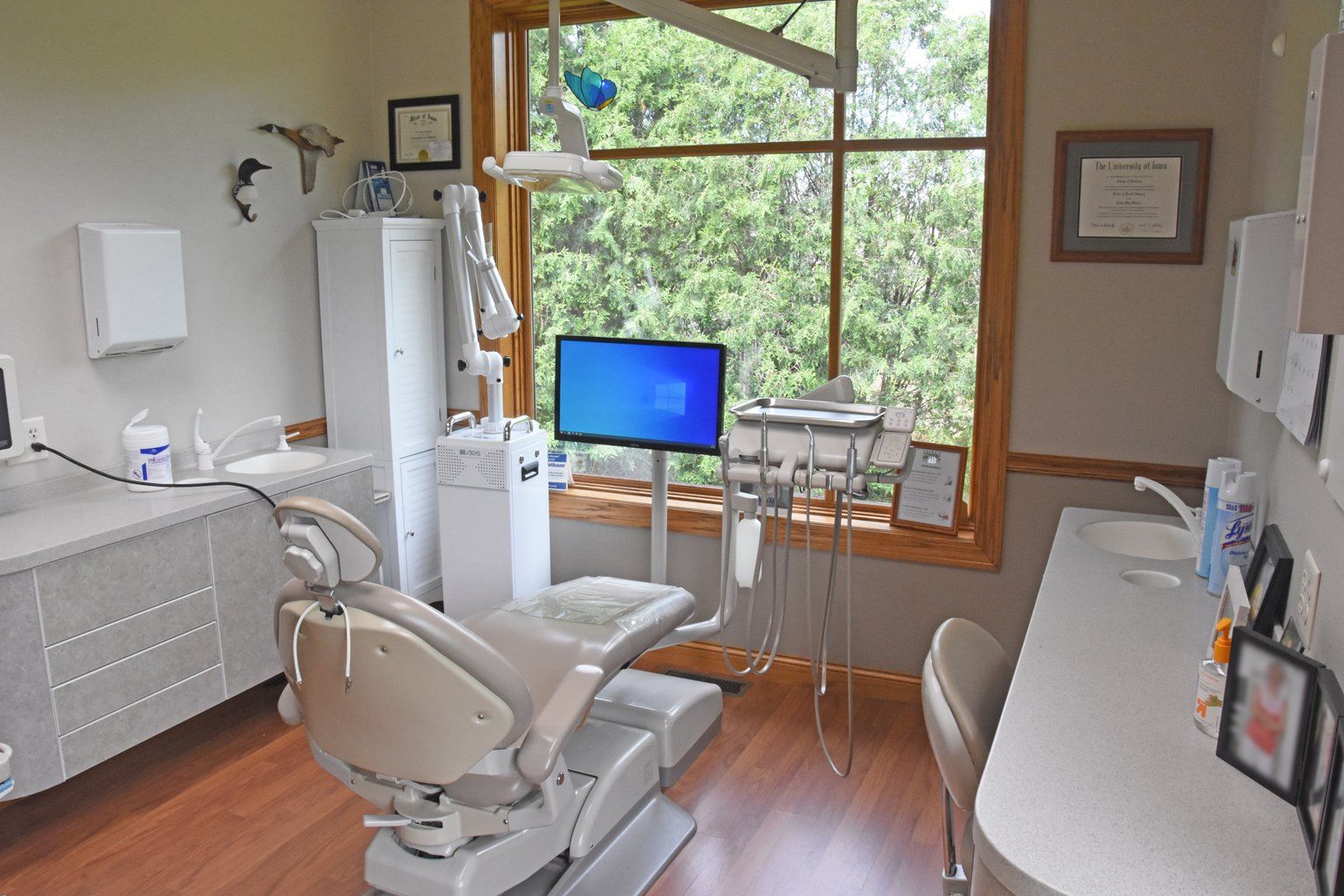
Benefits of Dentures & Partials at Anamosa Dental Associates
Dentures and partials do more than fill gaps in your smile. They help you chew comfortably, speak clearly, and support the muscles in your face so your cheeks and lips don't look sunken over time. A well-fitted denture or partial can also protect your remaining natural teeth from shifting out of place, which helps keep your bite balanced.
At our Anamosa office, we take time to get the fit right. Using in-house 3D imaging and digital impressions, we're able to design dentures and partials that match the shape of your mouth closely, so you spend less time on repeat adjustment visits. Our gentle, unhurried approach is built for patients who feel nervous about dental work, including those who've avoided the dentist for years. You won't be judged here, no matter how long it's been.
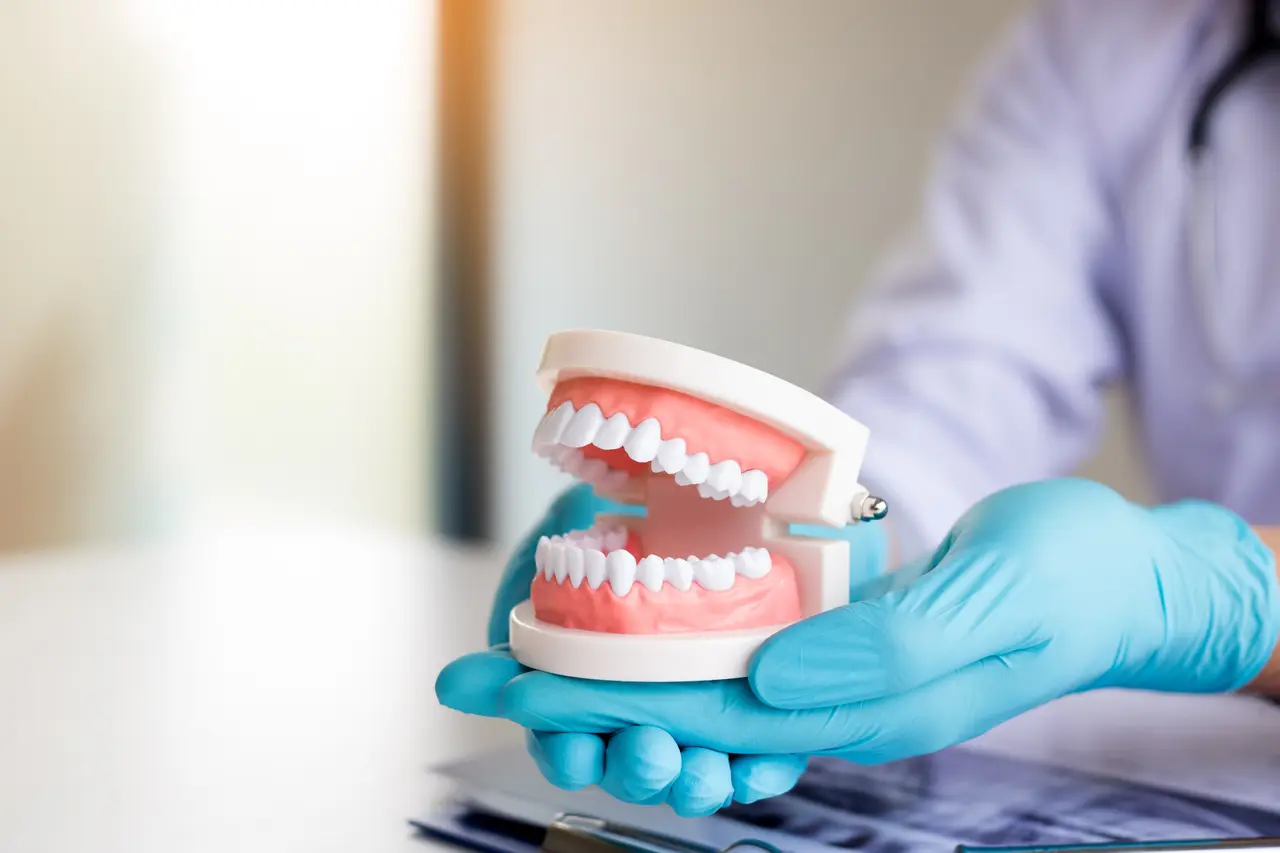
Full Dentures vs. Partial Dentures: Which Is Right for You?
The right choice depends on how many natural teeth you have left and how healthy they are. Here's a simple breakdown of each option.
Full Dentures
Full dentures replace an entire arch of teeth, either the top, the bottom, or both. They're custom-made to rest on your gums and are held in place with natural suction, and sometimes a small amount of denture adhesive. Full dentures are often the right fit for patients who have lost most or all of their teeth due to decay, gum disease, or injury, and who want a complete, functional smile without implants.
Partial Dentures
Partial dentures fill in gaps left by a few missing teeth while your remaining natural teeth stay in place. They usually attach with a metal or flexible framework that clips onto nearby teeth. Partials are a good option if you still have healthy teeth you'd like to keep, and they help stop those remaining teeth from drifting into empty spaces over time.
What to Expect During Your Denture Fitting
Getting new dentures or partials is a process, not a single appointment, and we walk you through each step so nothing feels rushed or confusing.
The Denture Fitting Process, Step by Step
First, we'll do a full exam and talk about your goals, including whether any teeth need to come out first. Next, we take digital impressions of your mouth using our iTero scanner, which is more comfortable than the old-fashioned putty trays many patients remember. From there, your dentures or partials are custom-made to match your bite and facial structure. At your fitting visit, we check comfort, appearance, and how your bite feels, then make small adjustments as needed. We'll schedule a follow-up visit soon after so we can fine-tune the fit once you've had a chance to wear them day to day.
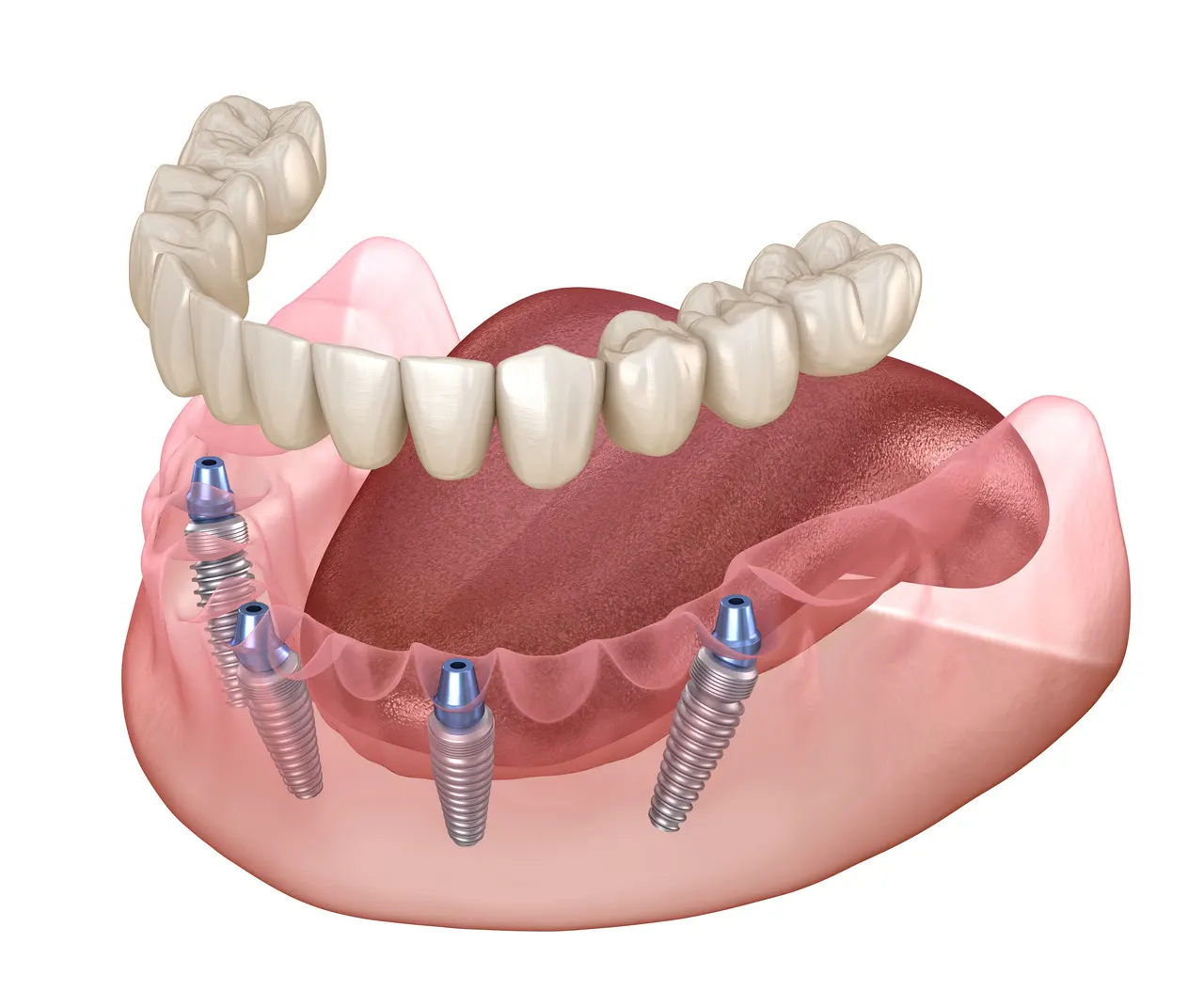
Dentures, Partials, or Dental Implants: Comparing Your Options
Dentures and partials aren't the only way to replace missing teeth. Dental implants are another path worth understanding, since both address the same problem in different ways. The table below lays out some of the main differences to help you and our team decide together.
| Feature | Dentures & Partials | Dental Implants |
|---|---|---|
| How they're placed | Removable, no surgery needed | Small titanium post surgically placed in the jawbone |
| Treatment timeline | Typically ready within a few weeks | Often takes several months, including healing time |
| Daily care | Removed nightly for cleaning and soaking | Cared for like natural teeth, with brushing and flossing |
| Feel and function | Comfortable fit, may shift slightly with wear | Feels closest to natural teeth, very stable |
| Upfront cost | Generally lower upfront cost | Generally higher upfront cost |
| Best for | Patients missing several or all teeth who prefer a non-surgical option | Patients who want a fixed, long-term replacement and are good candidates for surgery |
There's no wrong answer here. Some patients choose dentures or partials because they want to avoid surgery or spread out costs. Others prefer implants for the stability. We're happy to walk through both during your visit so you can decide what fits your health, budget, and comfort level.