Benefits of Professional Periodontal Treatment
Treating gum disease early, or managing it consistently once it's present, protects more than your smile. Professional periodontal treatment can help:
- Stop gum inflammation before it damages the bone that holds your teeth in place
- Reduce bleeding, swelling, and tenderness
- Freshen breath by removing bacteria hiding below the gumline
- Lower your risk of tooth loss down the road
- Support your overall health, since gum disease has been linked to other health concerns
Many patients find that once their gums feel better, routine visits like cleanings and exams become far more comfortable, too.

Signs of Gum Disease We Treat
Gum disease often starts quietly, without much pain at first. Here are signs our team watches for and treats:
- Gums that bleed when you brush or floss
- Red, swollen, or tender gum tissue
- Gums that seem to be pulling away from your teeth
- Persistent bad breath that doesn't go away with brushing
- Teeth that feel loose or have shifted
- Pockets or gaps forming between your teeth and gums
If any of these sound familiar, it doesn't mean you've done something wrong. It just means it's a good time to have your gums checked.
What to Expect During Your Periodontal Treatment Visit
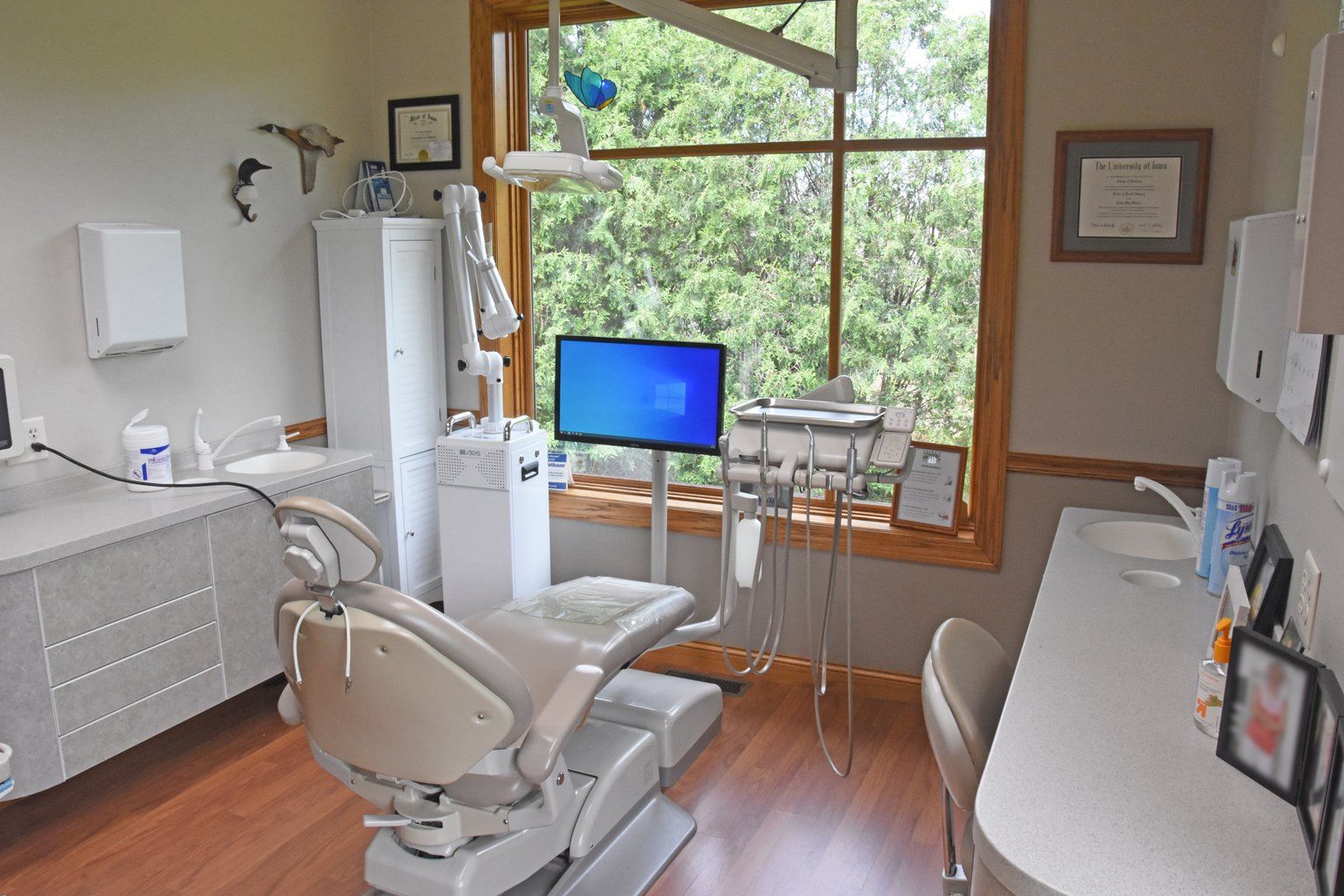
Your visit starts with a gentle exam to see how your gums and the bone underneath are doing. Depending on what we find, treatment often includes a deep cleaning, sometimes called scaling and root planing. In plain terms, this means carefully cleaning below the gumline to remove buildup that a regular cleaning can't reach, then smoothing the tooth root so your gums can reattach and heal. Dr. Debra Oldham and Dr. Joslyn Slater and their team take time to explain what's happening and keep you comfortable, using numbing options whenever needed. Most patients tell us the process feels far less intense than they expected. Follow-up visits let us track your healing and make sure things are moving in the right direction. If your case is more advanced, we'll talk through your options, including how an infected tooth might connect to root canal therapy or how a missing tooth could later be replaced with dental implants.
Periodontal treatment is one part of the broader care we provide under restorative dentistry, and we're glad to walk you through your options at whatever pace feels right for you.