What Are Dental Sealants and How Do They Work?
Sealants are a thin, tooth-colored coating painted onto the chewing surfaces of back teeth, called molars. These teeth have deep grooves where food and bacteria like to hide, which makes them a common spot for early cavities. The sealant flows into those grooves and hardens into a smooth, protective layer that keeps out plaque and food particles. It's one of the easiest cavity-prevention treatments dentists offer, and most kids and adults barely notice it's there once it's done.
Benefits & Value of Dental Sealants for Your Family
Sealants offer a lot of protection for very little time in the chair. Here's why families choose them as part of our general and preventive dentistry services:
- Help prevent cavities in the grooves of molars, where brushing alone can miss spots
- Quick to apply, usually finished in one short visit with no numbing needed
- Can lower the chance of needing fillings or bonding later on
- Work well alongside fluoride treatment for extra cavity protection
- A comfortable, low-stress option for kids who feel nervous about dental visits
What to Expect During Your Sealant Appointment
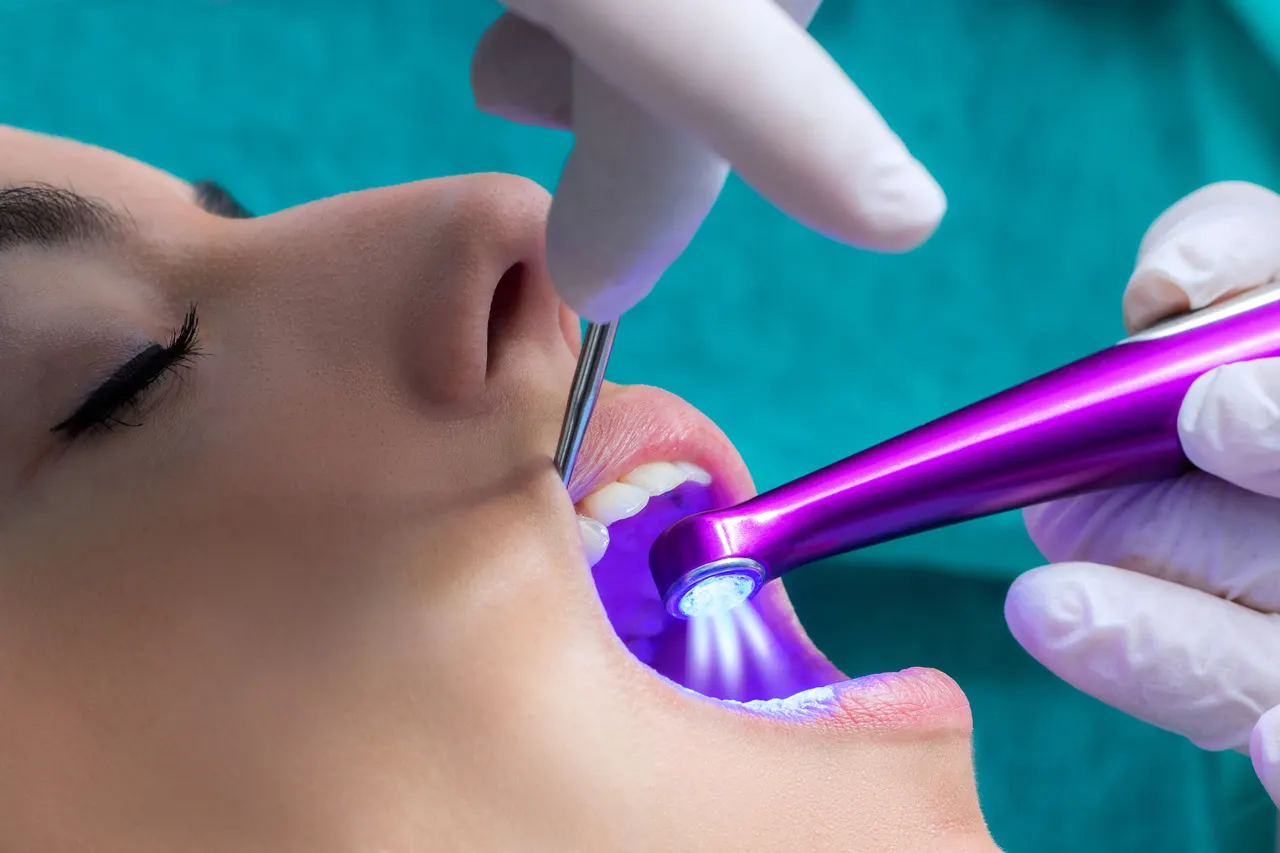
Getting a sealant is gentle and simple, even for first-time young patients. We start by cleaning and drying the tooth, then paint on the liquid sealant with a small brush. A special light hardens the sealant in seconds, and that's it. There's no drilling, no numbing, and no discomfort, so most kids are surprised at how quick and easy it is. Many families combine this visit with a regular cleaning to save a trip.

Who Can Benefit from Sealants? (Kids & Adults)
Sealants for kids' teeth work best on permanent molars, which usually come in around age 6 and again around age 12. Sealing these teeth soon after they arrive gives the best protection before cavities have a chance to start. This is often part of the care we discuss during cleanings and exams, and it fits naturally into our approach to children's and family dentistry. Adults can benefit too, especially if their molars have deep grooves and no history of fillings or decay in those spots. It's never too late to ask if sealants make sense for your smile.