Understanding Dental Bridges: How They Replace a Missing Tooth
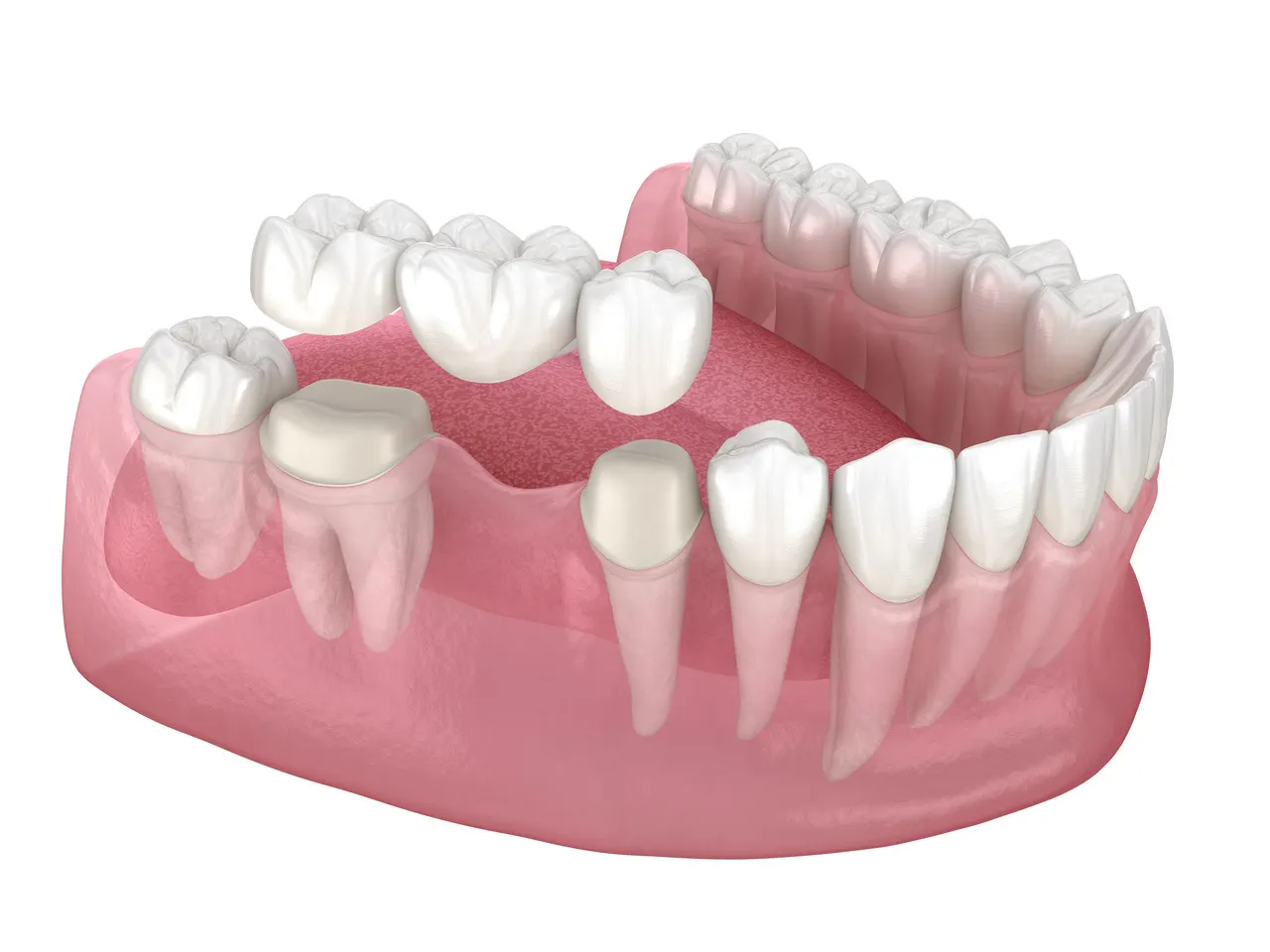
A dental bridge is a fixed replacement for one or more missing teeth. It gets its name because it "bridges" the gap left behind, using the healthy teeth on either side, called abutment teeth, to hold a custom-made false tooth in place. Your bridge is shaped and shaded to match your smile, so it blends in naturally when you talk, eat, or laugh.
Bridges tend to work best for patients missing a single tooth, especially when the neighboring teeth already need extra support or crowns. Because a bridge relies on teeth you already have, it usually doesn't require the healing time that comes with other tooth replacement options. If you're missing several teeth instead of just one, it's worth comparing a bridge to dentures and partials, which may fit your situation better. Bridges are just one of several options within our restorative dentistry services here in Anamosa.
Benefits of Choosing a Dental Bridge
Losing a tooth changes more than your smile. Nearby teeth can start to shift into the open space, your bite can change, and chewing on that side of your mouth can get harder. A well-made bridge helps by keeping your remaining teeth from drifting out of place, restoring your ability to chew and speak comfortably, supporting the natural shape of your face and jaw, and giving you a complete, confident smile again.
Because bridges are considered a standard restorative treatment, the cost of a dental bridge in Iowa is often partially covered by insurance. Visit our Insurance & Financing page to learn more about your coverage and financing options, including CareCredit and 0% financing plans.
What to Expect During Your Bridge Treatment
Getting a bridge in Anamosa usually takes two visits. At your first visit, we numb the area and gently prepare the abutment teeth so the bridge fits securely over them. We then take detailed impressions and place a temporary bridge to protect your teeth while your permanent one is being made.
Because bridges cover multiple teeth working together, they're typically crafted by a trusted dental lab for a precise, long-lasting fit, unlike our same-visit CEREC crowns, which are milled in-house the same day. At your second visit, we remove the temporary bridge, check the fit and bite of your new one, and cement it permanently in place.
Bridges vs. Dental Implants: Which Is Right for You?
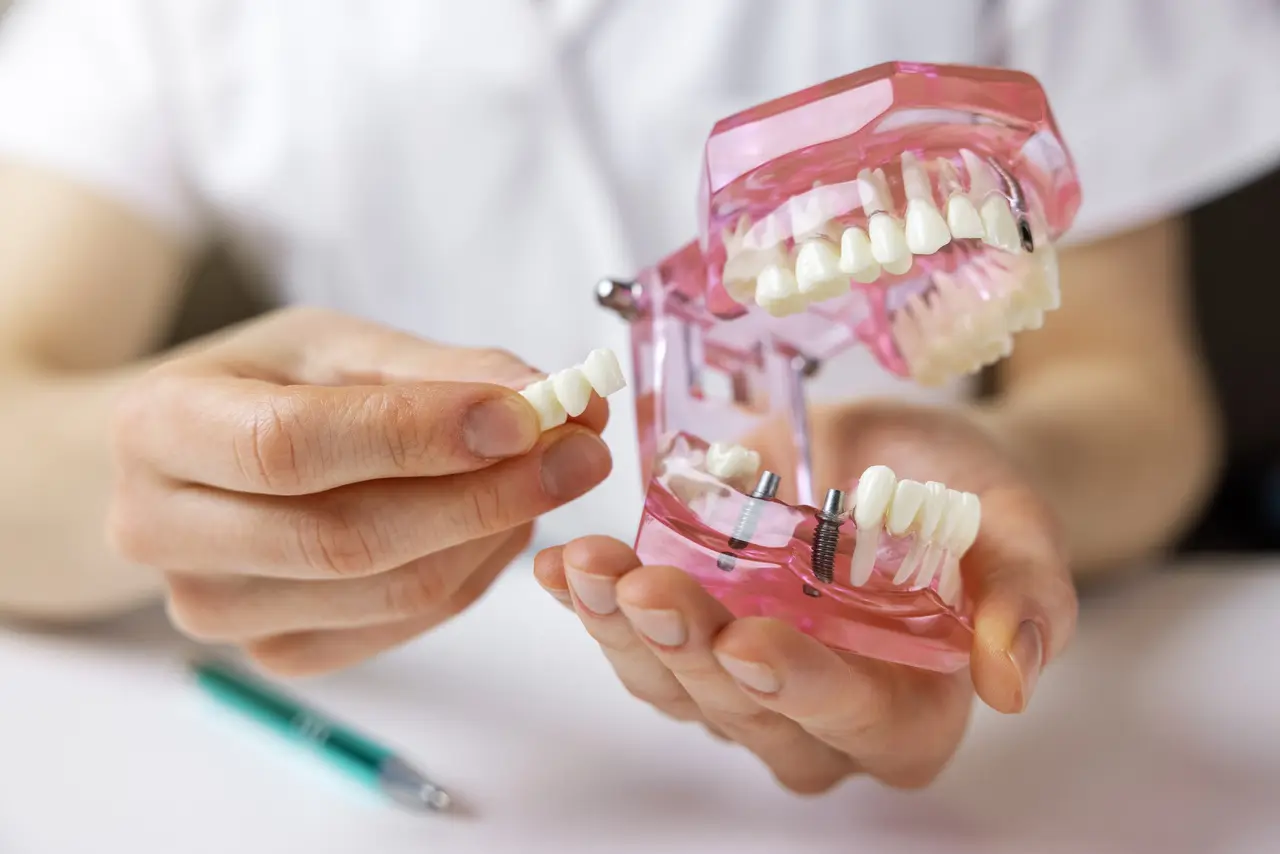
If you're missing a single tooth, you may be deciding between a bridge and a dental implant. Both are proven, reliable ways to replace a missing tooth, and the better choice depends on your health, timeline, and what feels right for you.
| Feature | Dental Bridge | Dental Implant |
|---|---|---|
| Upfront Cost | Generally lower upfront cost | Generally higher upfront cost |
| Treatment Time | Usually completed in two visits over a few weeks | Requires a healing period after placement, often several months total |
| Longevity | Can last 10 years or more with good care | Designed to last many years with proper care |
| Candidacy | A good fit when nearby teeth need extra support or crowns | Requires enough healthy jawbone to support the implant |
There's no single right answer here. Some patients like the shorter timeline of a bridge, while others prefer the long-term benefits of a dental implant. We're glad to help you compare both options during your visit, and if you're searching for a tooth bridge dentist near you, our Anamosa team is ready to help either way.
What Happens If a Missing Tooth Goes Untreated
An empty space left by a missing tooth rarely stays the same. Nearby teeth can slowly shift or tilt into the gap, which can throw off your bite and make chewing harder. Over time, the bone underneath the missing tooth can also shrink, which may affect the shape of your face and make future treatment more involved. Replacing a missing tooth sooner rather than later helps protect your smile, your bite, and your overall oral health.