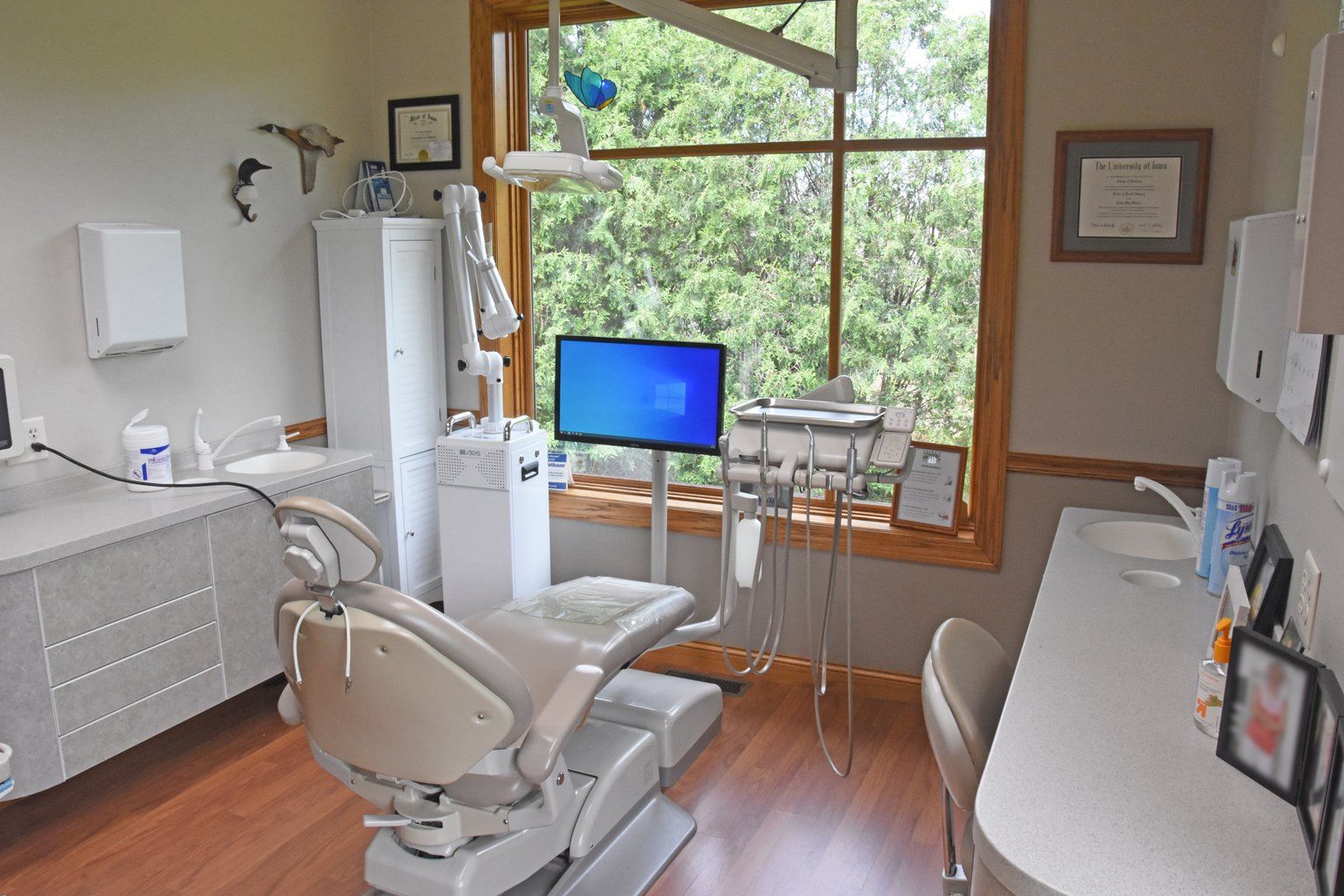
If the idea of implant surgery makes you nervous, that's completely normal, and you won't be judged here. Our team takes time to explain each step in plain language and at a pace that works for you.
Benefits & Value of Dental Implants
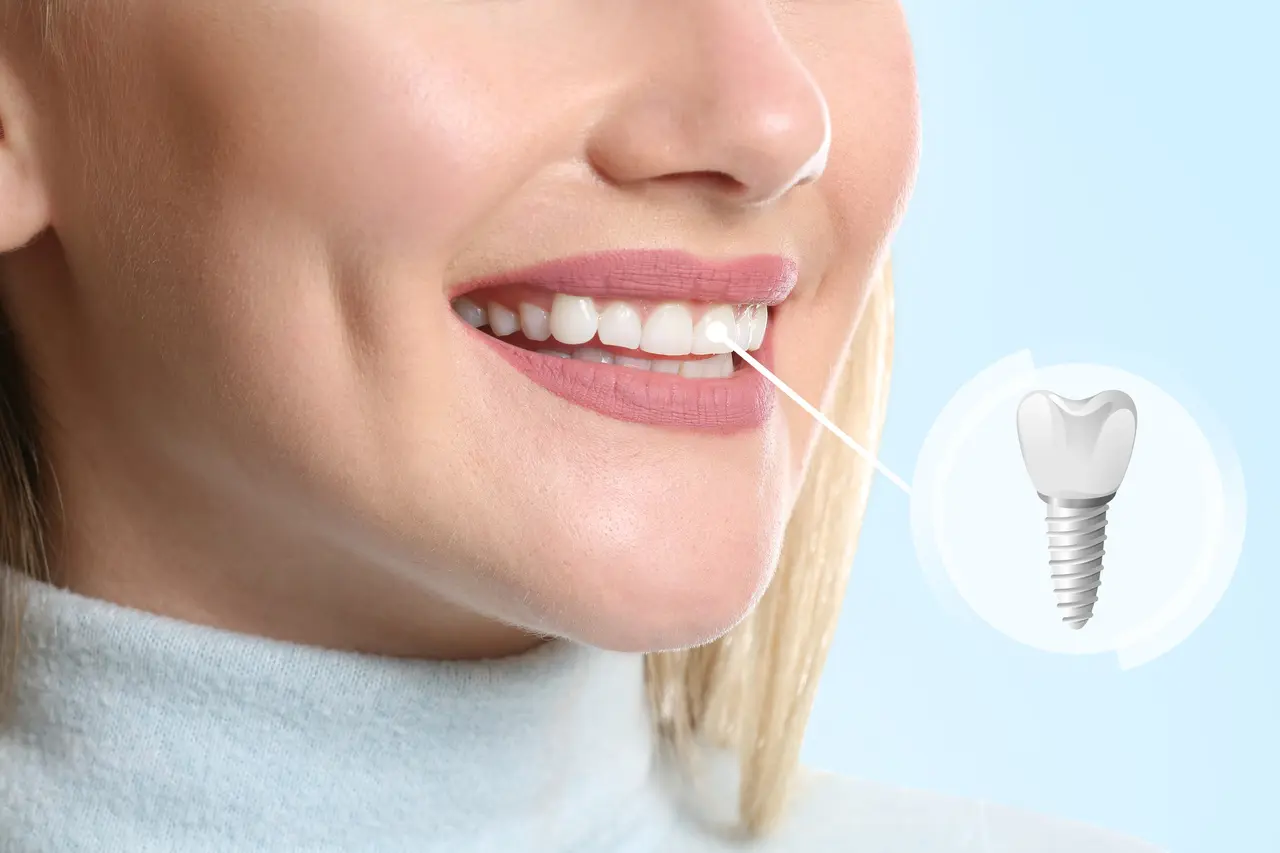
A dental implant replaces both the tooth and its root with a small titanium post placed in the jawbone, topped with a custom crown. Because the post fuses with your bone over time, an implant stays put the way a natural tooth root does. That's a real difference from removable options.
Here's what patients tend to appreciate most about implants:
- They feel and function like a natural tooth, so eating and speaking feel normal again.
- They don't rely on neighboring teeth for support, unlike a bridge.
- They help preserve jawbone structure, since chewing pressure on the implant keeps the bone active.
- With good care, they're designed to last for many years.
- They're a fixed solution, not a removable one, so there's nothing to take out at night.
What to Expect: The Dental Implant Process
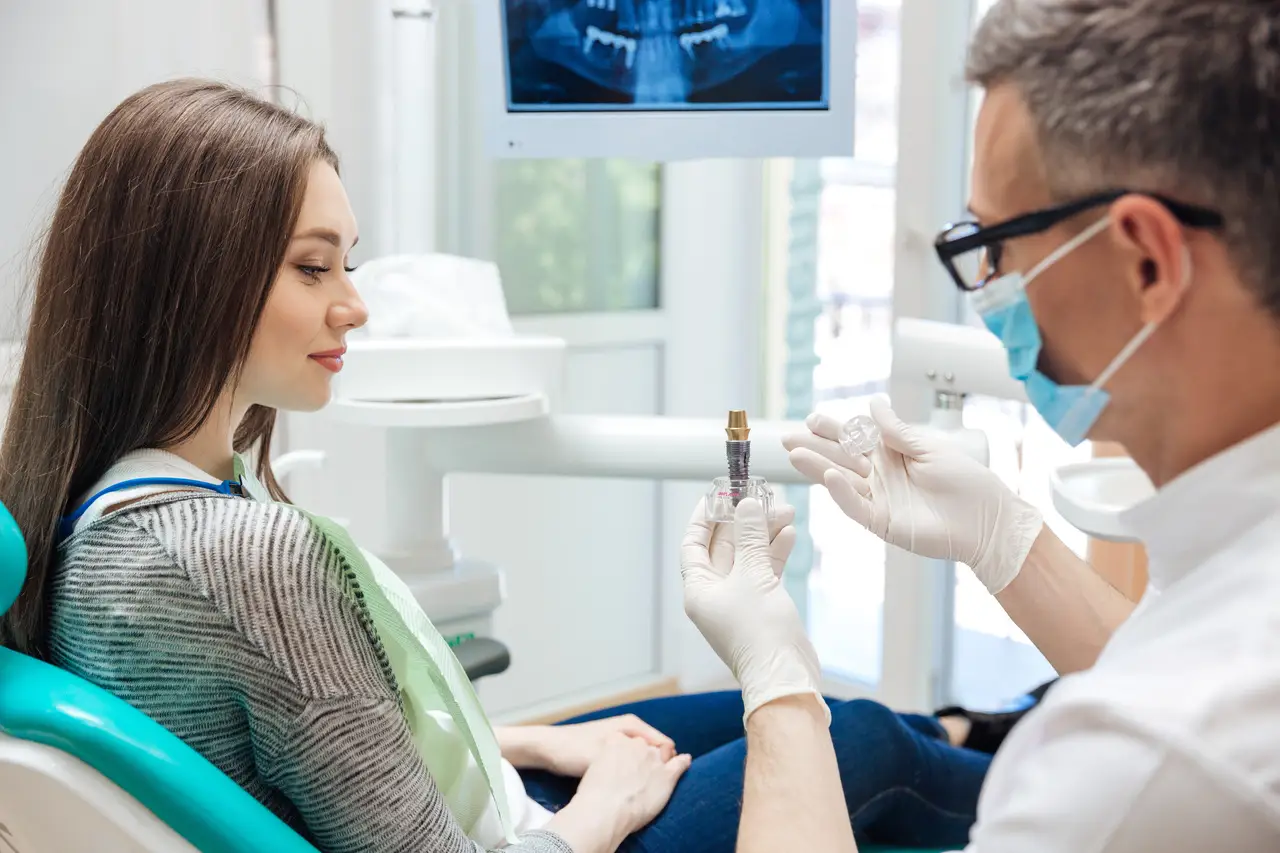
Getting an implant usually happens in a few stages, spread across several months. First, Dr. Oldham or Dr. Slater will examine your teeth, gums, and jawbone, often with digital X-rays, to confirm you're a good candidate. Next comes the placement visit, where the implant post is set into the jawbone under local anesthesia. Most patients describe this step as far less uncomfortable than they expected.
After placement, your jawbone needs time to heal and bond with the implant, a process that generally takes a few months. Once healing is complete, we attach a small connector piece and take impressions for your custom crown. The final crown is designed to match the color and shape of your surrounding teeth so it blends in naturally.
We'll talk you through pain management, timeline, and what to eat during healing before you ever sit in the chair. There are no surprises, just honest information at every visit.
Choosing the Right Tooth-Replacement Option
Implants aren't the only way to replace a missing tooth, and the right choice depends on your bone health, budget, and how many teeth need replacing. Our Restorative Dentistry team also offers bridges and dentures & partials for patients who need a different fit. Unlike removable dentures, an implant stays fixed in place permanently, so it's worth understanding how implants stack up against a bridge, the other fixed option.
Dental Implants vs. Bridges
| Feature | Dental Implants | Bridges |
|---|---|---|
| Longevity | Often lasts decades with good care | Typically 10 to 15 years |
| Impact on Adjacent Teeth | No effect on neighboring teeth | Requires shaping the two adjacent teeth for support |
| Bone Preservation | Helps preserve jawbone through chewing pressure | Does not stimulate or preserve jawbone |
| Maintenance | Brush and floss like a natural tooth | Requires special flossing under the bridge |
| Typical Cost Range | Higher upfront cost, single procedure | Lower upfront cost, may need replacement sooner |
If you'd rather keep your remaining teeth untouched and are comfortable with a longer treatment timeline, an implant may be the better long-term fit. If you need a faster, lower-cost fix and have healthy teeth on either side of the gap, a bridge may make more sense. Either way, we accept most PPO plans and offer financing details on our Insurance & Financing page, and our Crowns page covers the crown work that tops both bridges and implants.